Oral Cancer Screening in Germantown, MD
We Take Your Insurance
Oral Cancer Explanation
The term "oral cancer" refers to various forms of cancer that can affect the pharynx, larynx, and any component of the oral cavity. This cancer can have many different symptoms, such as sores, lesions, swelling, pain and tenderness, loss of mobility, voice changes, ongoing bad breath, and loss of weight. These symptoms can mimic other dental conditions, so screening and follow-up tests are necessary for proper diagnosis.
Oral cancer can occur at any age, but it is much more common in older adults. Poor nutrition, high exposure to ultraviolet light, genetic factors, tobacco and alcohol consumption, and other immune diseases can increase your risk of getting oral cancer. This cancer is also two times more likely to occur in males than in females.






Screening Protocols
There is no standard screening for oral cancer, so every dental office may have a different testing method. Screening may also be more comprehensive based on your specific dental condition and medical history. During your routine exam, our dentist will provide a basic visual check and let you know about any concerns. If there are concerns, our dentist will recommend follow-up testing.
The most common oral cancer tests include biopsy, cytology, and stains or dyes. Biopsies are used to collect cells from inside unusual lesions. The cells are then observed with a microscope. Cytology uses a stick, brush, or piece of cotton to collect cells from the surface of the lips, tongue, and other parts of the mouth. Stains and dyes are either blue or fluorescent colors that cause abnormal tissue to have a different appearance than normal, healthy tissue.
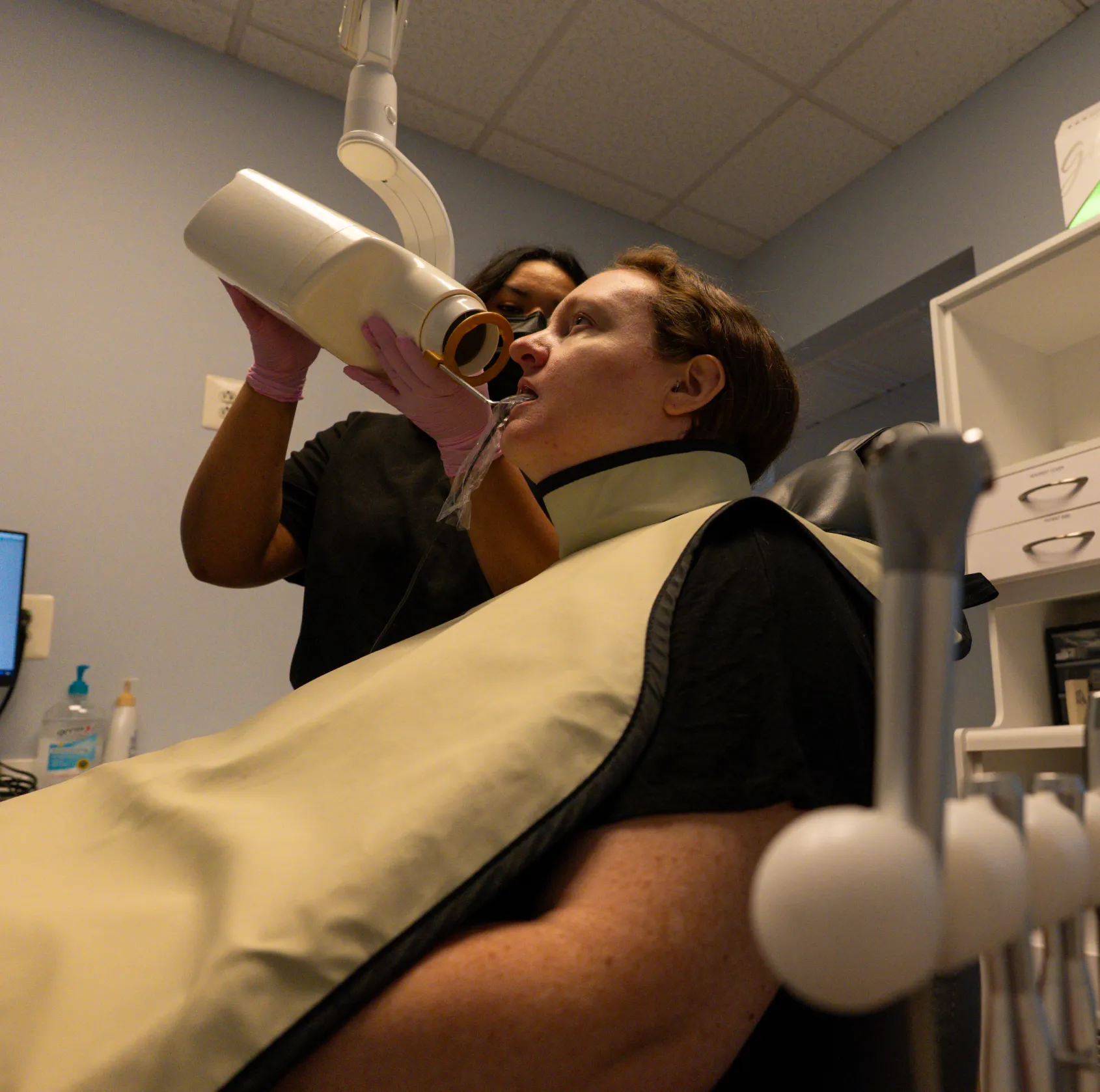
Diagnostic imaging tests and specialist referral may also be necessary to examine abnormalities. Some diagnostic imaging tests include CT scans, MRIs, PET scans, and x-rays. Abnormal tissue can be identified in these images because, like with stains and dyes, it will look different than healthy tissue. The medical team, which includes our dentist, will also provide a close examination of your throat and nose. This is because cancer can spread and affect the surrounding tissues.
Throughout the diagnostic process, we will discuss the many different oral cancer treatment options with you. For instance, some common treatments are specialized therapies and surgery. Therapies include radiation therapy, chemotherapy, and other targeted therapies. These destroy the cancer on a cellular level. Surgery may be needed to remove cancerous tissue or reconstruct tissues that have been warped or lost due to the oral cancer.
For more information on oral cancer screenings, call New Life Dental today.
Visit Us in Germantown, MD
We’re easy to reach on Germantown Road in Germantown, MD, and welcoming to new patients from nearby Gaithersburg and Clarksburg. From routine cleanings to smile-restoring implant care, we make it simple to get answers and move forward with confidence.

You'll find us inside Adventist HealthCare Germantown Emergency Center, a premier Class A medical facility, just across from Town Center & Century Station.
Parking: On-site parking available. Please arrive a few minutes early for your first visit.